
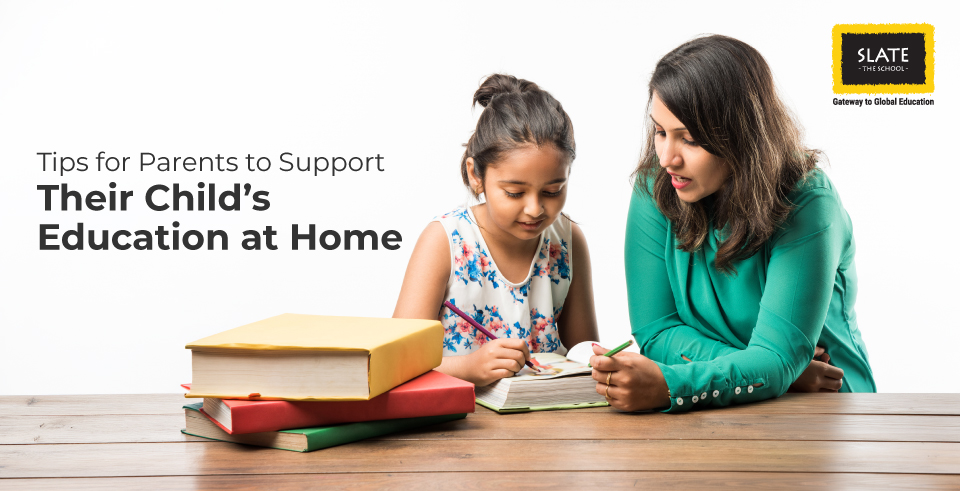
Supporting a child’s education at home does not mean turning the house into another classroom. It means creating routines, emotional safety, and study habits that help children become more confident and independent learners. Parents do not need to have all the answers. They need to build an environment where questions are welcome, effort is noticed, screen time has boundaries, and learning feels manageable.
Build A Simple Home Learning Routine
Children feel more secure when learning has a predictable rhythm. A simple routine can include a fixed homework time, 15–20 minutes of reading, a short review of what was learned in school, and a small break before moving to the next task. The routine does not need to be strict, but it should be consistent enough for the child to know what to expect.
Make Space For Questions
Questions don’t always come at the “right” time. Sometimes they show up in the middle of dinner or just before bed. And sometimes they come out half-formed, like the child isn’t even sure what they’re asking yet. It helps to treat those moments gently. Not every question needs a full answer right away. Sometimes it’s enough to pause and think together. That small pause shows that confusion is not a problem to fix quickly, but something normal to sit with. When questions are welcomed like that, learning stops feeling like a test and starts feeling more like figuring things out together.
At Slate – The School, this same inquiry-led approach is encouraged in classrooms, where curiosity is treated as the starting point of learning, not a distraction from it.
Keep Expectations Soft, But Clear
There’s a strange balance here. Children need to know that learning matters, but they also need room to struggle without feeling like they’re falling short all the time. It’s tempting to push a little harder when results don’t match expectations. But pressure has a way of making everything tighter, including thinking. Instead, keeping expectations clear but not heavy seems to work better. Like saying, “This matters, but you don’t have to get it perfect today.” That tone changes how effort feels. It becomes something they can return to, not something they avoid.
Let Learning Look Messy
Not all learning looks neat. Sometimes it’s scattered notes, unfinished thoughts, or starting over again and again. From the outside, it can look like nothing is happening. But something usually is. There’s a kind of patience required here. Stepping in too quickly to “fix” things can interrupt that process. Letting it stay a bit messy gives children space to find their own way through a problem, even if it takes longer than expected. And when they do figure something out on their own, even partially, it seems to stay with them in a different way. We at Slate – The School believe real understanding often grows through this imperfect process, which is why we encourage children to think, try, and discover without fear of getting it wrong.
Notice Effort In Quiet Ways
Praise can feel tricky. Too much of it sounds empty, and too little of it feels cold. What seems to work better is noticing small things without making a big scene out of them. A simple comment like, “You stayed with that longer than yesterday,” lands differently than general praise. It points to something real, something the child can recognize in themselves too. That kind of noticing builds something quieter than confidence, but maybe more lasting.
Set Screen-Time Boundaries That Protect Attention
Children do not need a screen-free life, but they do need screen boundaries that protect focus. Parents can keep study time device-free, avoid background videos during homework, and create a simple rule for when devices are used for learning and when they are used for entertainment. These boundaries help children build attention, patience, and self-control.
Check The Emotion Before Correcting The Work
Sometimes a child does not avoid homework because they are careless. They may feel tired, confused, embarrassed, or afraid of making mistakes. A simple check-in such as “What part feels difficult today?” or “Do you want to start with the easier question first?” can reduce resistance. Emotional safety helps children return to learning without feeling judged.
Where Learning Grows Into Real-World Confidence
At Slate – The School, we understand that education is more than just academics. We are dedicated to developing children who think clearly, adapt easily, and grow with good values. With our Sampoornatha and SMAART initiatives, we are bringing together life skills, technology, and learning in a way that comes naturally to children. As one of the top schools in Hyderabad, we are not here to follow the trend; we are here to lay the foundation. Our classrooms are designed with the child’s needs in mind, curiosity and discipline, success and well-being. At Slate The School, we are preparing children for a future they can confidently move into.
Final Thoughts
Supporting a child’s education at home doesn’t really come down to having the right answers or perfect methods. It seems to be more about the atmosphere that’s created around learning. When the space feels calm, questions feel safe, and effort feels seen, learning finds its own rhythm. It’s not always fast or smooth, but it becomes something the child can stay with. And maybe that’s enough.